Lightning Protection System Installation, Design, Maintenance and Recertification
The effectiveness of any lightning protection system is not just a function of hardware, but the result of a combination of factors, including how it’s designed, installed, inspected, and maintained over time. The real difference between a system that merely exists and one that reliably protects critical facilities year after year comes down to how it is designed, installed, inspected, and maintained.
That’s where Lightning Eliminators and Consultants (LEC) stands apart.
Our team brings together more than 150 years of combined experience in consulting, engineering, designing, installing, and maintaining lightning defense systems. This isn’t experience gained in a lab alone; it’s practical expertise gained in the field from thousands of installations and decades of solving lightning protection challenges.
Core Lightning Protection Services from LEC
Site Surveys & Design Studies
Engineered to Your Needs
LEC services often begin before a system is ever sold. Our site surveys and design studies help evaluate:
- Facility layout, elevations, and structures
- Environmental and corrosive conditions
- Existing grounding and lightning exposure
- Operational constraints and safety requirements
These studies ensure that any proposed solution is technically sound, defensible, and engineered to mitigate the unique lightning-related risks of each individual site, not just appear compliant on paper.
Lightning Protection System Installation & Construction Supervision
Accountability from Design Through Completion
We support system installations through multiple delivery models, depending on the project:
- Turnkey installations using LEC personnel
- Supervised installations using qualified local or specialty contractors
- Hybrid models combining local execution with LEC oversight
Lightning protection is not a “plug-and-play” solution. Site conditions, grounding characteristics, structure geometry, and operational requirements all influence system performance. That’s why LEC offers turnkey installation services under our direct supervision.
When LEC supervises or performs the installation, we ensure:
- Proper placement and configuration of all system equipment, including our proprietary Dissipation Array® System (DAS®) units that prevent lightning from occurring in a protected area.
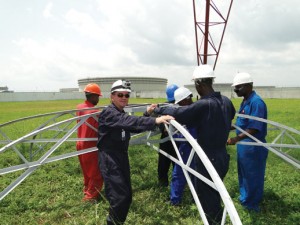
- Contractors are trained on-site.
- Assembly is verified during construction, not after the fact.
- Deviations are addressed before they become permanent problems.
- Proper grounding design and installation.
- Adherence to LEC engineering standards and best practices.
- Verification that the system matches the approved design intent.
- Professional work standards and quality installation practices.
This end-to-end accountability minimizes risk for customers and eliminates uncertainty around installation quality, a common failure point in lightning protection systems.
Installation Considerations for the Dissipation Array® System (DAS®)
For installations of our Dissipation Array® System (DAS®), LEC supervision is essential. Proper wire tensioning, orientation, grounding integrity, and assembly technique are the difference between a system that performs as designed and one that merely “looks installed.”
LEC’s No-Strike Warranty applies only to Dissipation Array® Systems (DAS®) that are installed under LEC supervision. This requirement allows LEC to:
- Validate that the system was installed correctly.
- Ensure proper operation at time of commissioning.
- Confirm grounding integrity and electrical continuity.
- Issue a Certificate of Completion at the time the system is placed into service.
The Certificate of Completion provides documented assurance that the DAS® installation meets LEC’s specifications and qualifies for warranty coverage – an important consideration for insurers, regulators, and risk managers.
Inspections and System Maintenance
Preserving Performance Over Time
Lightning protection is not a “set it and forget it” asset. Environmental exposure, facility changes, corrosion, and grounding degradation can all negatively impact long-term effectiveness.
LEC offers ongoing inspection and maintenance services designed to preserve system performance throughout the life of the facility. These services typically include:
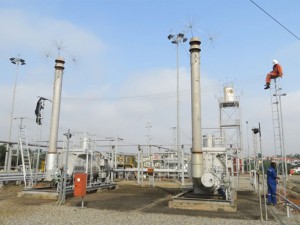
- Visual inspections of DAS® units and conductors.
- Ground resistance testing and verification.
- Identification of physical damage or site changes.
- Documentation of system conditions and recommendations.
- Perform approved repairs and maintenance.
Routine maintenance ensures the system continues to dissipate lightning charge as designed, rather than discovering deficiencies after an incident occurs.
Recertification
Confidence for Audits, Insurers, and Operations
Many facilities require documented proof that critical protection systems remain functional, especially in regulated or high-risk industries. LEC’s system recertification services provide that assurance.
Recertification confirms that:
- DAS® units remain installed per original design.
- Grounding systems remain within acceptable performance ranges.
- No unauthorized modifications have compromised effectiveness.
- Any damage components are replaced with new ones that meet design specifications.
For operators, recertification supports operational continuity. For insurers and stakeholders, it provides confidence that lightning risk mitigation remains intact.